
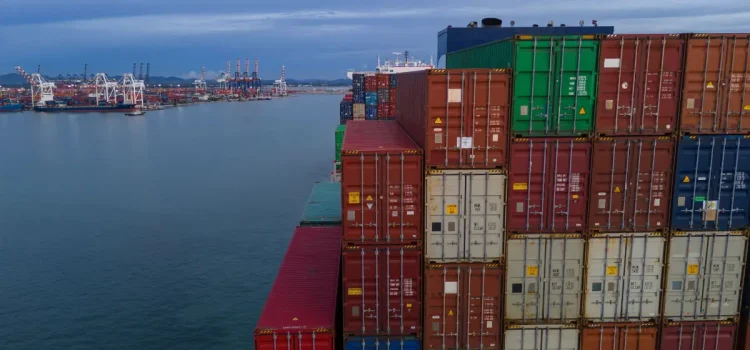
The global shipping container industry plays a pivotal role in the interconnected world economy, facilitating the seamless movement of goods across vast oceans and continents. With over 90% of the world’s trade carried by sea, shipping containers have transformed logistics and transportation, becoming the backbone of international commerce. This article delves into the evolution, significance, and impact of shipping containers, highlighting how these standardized metal boxes have revolutionized trade practices and streamlined supply chains.
As the demand for efficient and sustainable shipping solutions continues to rise, the industry faces challenges and opportunities in adapting to new technologies, environmental regulations, and changing consumer preferences. From the classic 20-foot container to innovative designs enabling faster and greener transport, the future of global shipping containers is poised for transformation. Explore the intricacies of this vital sector and discover how it shapes the way we live, work, and engage in global trade.
Evolution of Shipping Containers
The design and functionality of shipping containers have evolved significantly since their introduction in the mid-20th century. Originally created to simplify the loading and unloading of cargo, containers now come in various sizes and types, including refrigerated units for perishables and tank containers for liquids. This evolution allows for greater versatility and efficiency in global logistics. As trade volumes have surged, innovations in container technology and handling systems have emerged, enabling faster turnaround times at ports and enhancing the overall supply chain management process. To navigate these advancements, the team at SCS Global emphasizes the importance of integrating cutting-edge tracking and automation solutions into shipping operations.
Challenges and Opportunities Ahead
The shipping container industry faces numerous challenges, particularly in addressing sustainability and regulatory compliance. As environmental concerns take center stage, stakeholders are under pressure to adopt greener shipping practices that reduce carbon emissions and waste. Additionally, the COVID-19 pandemic has disrupted global supply chains, prompting a reevaluation of shipping practices and logistics. However, these challenges also present opportunities for innovation, such as the development of smart containers equipped with IoT technology to monitor conditions in real time. As the industry adapts to these changes, the drive for more sustainable and efficient practices will likely reshape the future of global trade.
In conclusion, the global shipping container industry stands at a crossroads, where its historical significance in enabling rapid international trade intersects with the pressing need for sustainability and adaptability in an ever-changing world. As innovations continue to emerge—ranging from eco-friendly materials and smart logistics technologies to enhanced tracking systems—stakeholders are increasingly focused on reimagining the future of shipping containers to meet both economic and environmental imperatives. This transformation holds the potential not only to bolster efficiency and reduce operational costs but also to create a more sustainable framework for global commerce. Ultimately, the future of the shipping container industry will hinge on its ability to embrace change, prioritize collaboration, and respond proactively to the shifting landscape of global trade, all of which will shape how goods are moved and delivered in a more interconnected economy.