
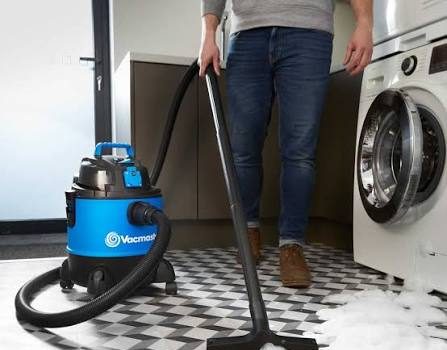
In our daily lives, maintaining a clean and hygienic environment is essential for health and well-being. Cleaning products play a crucial role in this endeavor, helping us to effectively eliminate dirt, germs, and allergens from our homes and workplaces. From household cleaners to industrial solutions, the variety of cleaning products available on the market can be overwhelming, yet each serves a specific purpose in ensuring that our surroundings remain sanitized and inviting.
As consumers become increasingly aware of the potential impact of cleaning agents on both health and the environment, there is a growing demand for eco-friendly and non-toxic options. In this article, we will explore the different types of cleaning products, their ingredients, and the benefits of choosing sustainable alternatives. We’ll also provide tips for selecting the right products for your cleaning needs while minimizing environmental harm, empowering you to make informed choices in your quest for cleanliness.
Types of Cleaning Products
The market is saturated with a wide range of cleaning products designed for various tasks, from surface cleaners and disinfectants to specialized solutions for carpets and upholstery. Each type serves a specific purpose, so understanding the differences can significantly enhance your cleaning routine. For instance, all-purpose cleaners are versatile and suitable for most surfaces, while heavy-duty cleaners are best reserved for tough grime and stains. Meanwhile, products containing natural ingredients, like vinegar and baking soda, offer effective cleaning power without harmful chemicals, appealing to those who prioritize safety and eco-friendliness. A visit to resources on Cleaning Products can help you explore the options available in greater detail.
Choosing Sustainable Alternatives
As awareness of health and environmental issues continues to rise, many consumers are seeking out sustainable alternatives to traditional cleaning products. Biodegradable formulas, non-toxic ingredients, and recyclable packaging are becoming increasingly popular choices, reducing the negative impact on ecosystems while still ensuring a thorough clean. By opting for these eco-friendly products, you not only protect your health and that of your family but also contribute to a healthier planet. Additionally, reading labels and researching brands can empower consumers to make informed decisions that align with their values in cleanliness and sustainability.
In conclusion, the choice of cleaning products is not merely about achieving a spotless environment; it’s about making responsible decisions that reflect our values regarding health and environmental stewardship. By understanding the various types of cleaning agents available and the impact of their ingredients, consumers can select options that are both effective and sustainable. Transitioning to eco-friendly alternatives not only enhances the safety of our living spaces but also fosters a collective effort towards a cleaner, greener planet. As we continue to navigate the myriad choices in cleaning products, prioritizing those that are safe, effective, and environmentally conscious will lead to a healthier home and a more sustainable future for all.